Learning Which Tooth Replacement Option to Choose: Implants, Bridges, or Dentures?
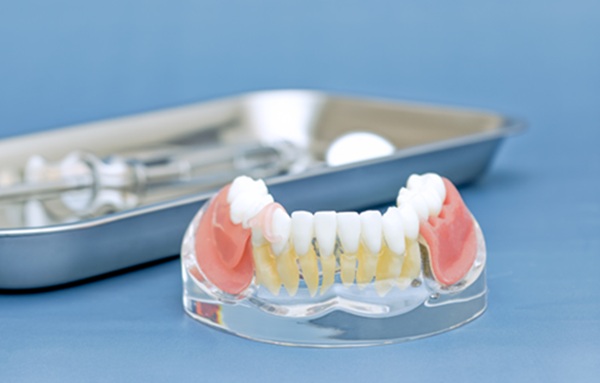
Tooth replacement can restore the ability to chew, speak clearly, and maintain a balanced smile after one or more teeth are lost. Missing teeth may affect more than appearance alone. Gaps in the smile can lead to shifting teeth, uneven bite pressure, and added strain on the surrounding oral structures. Comparing the main treatment options can help patients understand which solution may fit their needs, comfort level, and long-term goals.
Why replacing missing teeth matters
A missing tooth can change the way the mouth functions over time. Neighboring teeth may begin to drift, the opposing tooth may move out of place, and daily chewing may become less efficient. These changes can affect comfort and may increase the risk of additional wear or dental problems later. Tooth replacement helps restore support and improve overall stability throughout the mouth.
A dental evaluation helps determine which option makes the most sense for the patient’s oral health and lifestyle. The dentist may examine the gums, jawbone, bite, and condition of the surrounding teeth before recommending a solution. Some patients need to replace a single missing tooth, while others need a full-arch option to restore a larger portion of the smile. Once those factors are reviewed, treatment can be matched more carefully to the patient’s needs.
3 common tooth replacement options
Patients often feel more confident when they understand how the main options compare. While every case is different, these three treatments are among the most common ways to restore missing teeth.
- Dental implants replace missing teeth by placing a small post into the jawbone and attaching a custom restoration on top of it. Because the implant functions like a tooth root, it helps support the jaw and provides a stable, fixed result.
- Dental bridges fill a gap by using the teeth next to the missing tooth for support. A false tooth sits between crowns or other supports, creating a fixed restoration that stays in place during normal use.
- Dentures replace several missing teeth or a full arch with a removable appliance. Some dentures rest on the gums alone, while others may connect to implants for added support and stability.
Understanding how these options work can make the decision process feel less overwhelming and help patients ask more informed questions at the consultation.
Implants compared with bridges and dentures
Dental implants often appeal to patients who want a fixed solution that closely mimics the function of a natural tooth. Because implants integrate with the jawbone, they help preserve bone structure and do not rely on neighboring teeth for support. They also tend to feel secure during chewing and speaking. However, implant treatment usually takes longer than other options and may involve bone grafting or multiple appointments, depending on the condition of the jaw.
A bridge may be a good choice when a patient wants a fixed option but prefers a shorter treatment timeline than an implant would require. Bridges can effectively restore both appearance and function, especially when the neighboring teeth already need crowns. At the same time, a bridge relies on nearby teeth for support, so those teeth often need to be reshaped. That makes it important to consider the health of the surrounding teeth before choosing this option.
Dentures may be recommended when several teeth are missing or when full-arch replacement is needed. They can restore the look of a complete smile and improve basic function, often with a less invasive process than implants. Traditional dentures are removable, which may require more adjustment during eating and speaking. Some patients also notice changes in fit over time as the gums and jawbone change shape.
Pros and cons to keep in mind
Each option offers distinct advantages and limitations. Implants are often valued for stability, bone support, and long-term function, but they may involve a longer healing period and a higher initial investment. Bridges offer a fixed result without oral surgery in many cases, yet they rely on neighboring teeth and do not replace the tooth root beneath the gums. Dentures can replace many teeth efficiently, though they may require adjustments, relines, or replacement over time as the mouth changes.
Lifestyle, budget, health history, and treatment goals all play a role in the decision. Some patients prioritize the most natural feel, while others focus on treatment timeline or the number of teeth that need replacement. The best choice is not always the same for every patient. A careful exam and clear discussion can help weigh the benefits of each option more realistically.
When to take the next step
Patients should not ignore missing teeth or assume one solution works for every situation. Tooth replacement can improve appearance, support the bite, and help protect the rest of the smile from future complications. Comparing implants, bridges, and dentures gives patients a clearer understanding of what each option can offer and where each one may fit best. For more information or to schedule an appointment, call our office.
To schedule a consultation, please request an appointment on our website at https://www.krbdentistry.com or call KRB Dentistry at (832) 361-3929 to arrange an appointment at our Rosenberg office.
Check out what others are saying about our dental services on Yelp: Multiple Teeth Replacement Options in Rosenberg, TX.
Related Posts
Tooth replacement plays an important role in restoring comfort, confidence, and oral health when one or more teeth go missing. Missing teeth affect chewing, speech, and the appearance of the smile, and they also influence jawbone health over time. Modern dentistry offers several options that address different needs, budgets, and timelines. Understanding the strengths of…
There are several dental implant options for replacing missing teeth. A dental implant permanently replaces a missing tooth, saving smiles and helping people eat their favorite foods for years to come. Unlike other options for replacing missing teeth, dental implants do not require regular check-ups from a dentist.The three most common types of dental implants…
Within the past few decades, advances in dentistry have resulted in many options for replacing missing teeth. While all of these options help restore functionality and appearance to a person’s mouth, they also differ in several ways. Depending on a patient’s dental history and lifestyle, one replacement option may be better suited for them than…
Missing teeth can result from many different things; regardless of how you lost your teeth, there are options for replacing missing teeth. There may be a stigma around dental care breaking the bank, but these options all have their pros and cons, which you should take into consideration.One option many consider is doing nothing. While…


