Broken Tooth Emergency Guide: What to Do Now and How Dentists Repair It
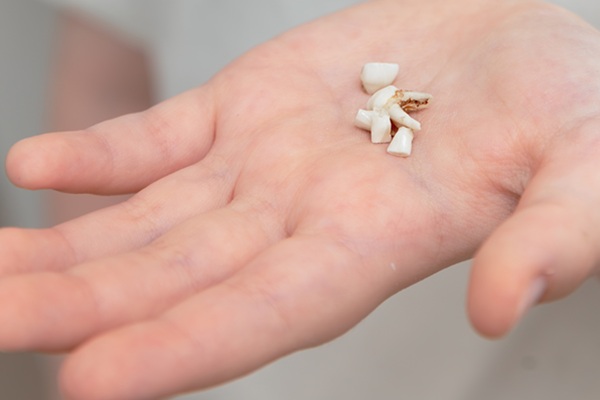
A broken tooth requires prompt action to protect the inner nerves from bacteria and ensure the underlying structure remains viable for long-term professional repair. Teeth are remarkably durable, but they are not indestructible, meaning they can succumb to the unexpected pressure of a rogue popcorn kernel, a sports injury, or a simple fall. Regardless of how it occurs, scheduling an appointment with a dentist immediately increases the likelihood of saving the tooth, receiving conservative treatment, and reducing potential pain.
Immediate steps to take at home
The moments following a dental injury are often frantic, but staying calm allows a person to take the necessary steps to preserve the tooth. Most general dentists will recommend following these steps:
- Rinse the mouth with lukewarm water to clear away any blood or debris that might obscure the damage.
- If a piece of the tooth remains visible, saving it in a clean container with milk or saliva helps the dentist evaluate the internal structure of the break.
- Apply a cold compress to the outside of the cheek to reduce the swelling that often accompanies a facial impact.
After completing the above steps, contact the dentist immediately to schedule an appointment. The office team will likely ask probing questions to better understand the situation and, if possible, provide a temporary solution until the patient reaches an appointment.
Identifying the severity of the damage
A broken tooth often exposes the sensitive dentin or the pulp, which creates a gateway for bacteria to enter the bloodstream and cause a painful abscess. Minor chips in the enamel might feel only slightly rough to the tongue, but deeper fractures often cause a sharp, jabbing pain when air or cold liquids hit the area. If the damage extends below the gumline, the stability of the root itself is in question, making an urgent X-ray a non-negotiable part of the diagnostic process. Understanding the specific type of fracture helps the dental team decide between a simple cosmetic fix and a more involved restorative procedure.
Professional methods for repairing the damage
Repairing a broken tooth involves various techniques that depend entirely on the amount of healthy structure that remains after the accident. For minor chips, the dentist uses a tooth-colored composite resin to "bond" the area, seamlessly rebuilding the shape of the tooth in a single visit. This material matches the natural translucency of the enamel, making the repair virtually invisible to the naked eye. This is often an excellent solution for front teeth, where aesthetics are a primary concern for the patient.
Alternatively, if a larger portion of the tooth is missing, a dental crown provides a much sturdier and more permanent solution. A crown acts as a protective cap that covers the entire visible portion of the tooth, reinforcing the structure and preventing the fracture from spreading. This is particularly important for molars (back teeth), which must withstand several hundred pounds of pressure during the daily act of chewing. Modern crowns use durable porcelain, composite resin, or a metal blend to ensure the tooth looks natural while maintaining the strength of the original enamel.
Managing complex breaks and nerve damage
In some cases, a broken tooth is so severe that it reaches the dental pulp, which is the soft center containing the nerves and blood vessels. When this occurs, the patient usually experiences intense, throbbing pain that signals the need for root canal therapy. This procedure involves removing the damaged pulp, cleaning the internal canals, and sealing the tooth to prevent further bacterial invasion. While many people find this treatment daunting, it is actually a painless way to save a natural tooth that would otherwise require an extraction.
Ignoring a broken tooth allows bacteria to enter these deep chambers, leading to an infection that can spread to the jawbone and neighboring teeth. Once the root canal is complete, the dentist typically places a crown over the site to prevent the now-brittle tooth from shattering under pressure. This combination of treatments restores the function of the mouth and removes the source of the infection entirely. Taking these steps ensures the patient avoids the need for more expensive replacements, such as bridges or dental implants, in the future.
Repair your tooth at KRB Dentistry
A broken tooth is a serious dental emergency that requires a professional eye to ensure the long-term stability of the jaw. Whether the fix is a simple filling, a durable crown, or a life-saving root canal, we focus on restoring comfort and function as quickly as possible. Contact KRB Dentistry to schedule an appointment.
Request an appointment here: https://www.krbdentistry.com or call KRB Dentistry at (832) 361-3929 for an appointment in our Rosenberg office.
Check out what others are saying about our dental services on Yelp: Broken Tooth in Rosenberg, TX.
Related Posts
Knowing whether to visit an emergency dentist or an emergency room can make a significant difference in receiving the right care. Dental emergencies can be painful and distressing, but not all require a hospital visit. An emergency dentist is often the best option for immediate relief and specialized treatment. However, understanding where to go in…
An emergency dentist can provide fast relief from various dental problems. However, proper aftercare is necessary for a smooth recovery. Taking the right steps can help manage pain, prevent complications, and speed up healing. By following a few tips, you can protect your oral health and feel better faster.Emergency dentists are often general dentists offering…
Oral health myths can often lead to misguided attempts to solve dental problems, potentially making things worse. Emergency and general dentists frequently treat patients who have attempted (and failed) to manage dental emergencies with these quick fixes. Debunking common myths about oral health can save patients time, money, and trouble. Along with that, debunking these…
An emergency dentist can provide immediate care, and being prepared can help protect your teeth and alleviate pain while waiting for treatment. Whether you are dealing with a knocked-out tooth, severe pain, or a broken filling, having a plan in place can prevent further damage. Knowing how to manage a dental emergency before it occurs…


